
ISO 16232 Cleanliness Testing Lab
Technical cleanliness matters when a stray particle can compromise a system. Our in-house lab tests component cleanliness to the ISO 16232 standard, so parts meet the particulate limits your application demands.
What ISO 16232 Covers
ISO 16232 is the international standard for the technical cleanliness of components used in road-vehicle fluid circuits and related systems. It defines how parts are extracted, how the extracted particulate is analyzed, and how results are documented — by particle size, count, and material type — so cleanliness can be specified and verified objectively.
Bringing this capability in-house means we can validate cleanliness on the same site where parts are molded and assembled, catching issues earlier and shortening the feedback loop.
Our Analysis System
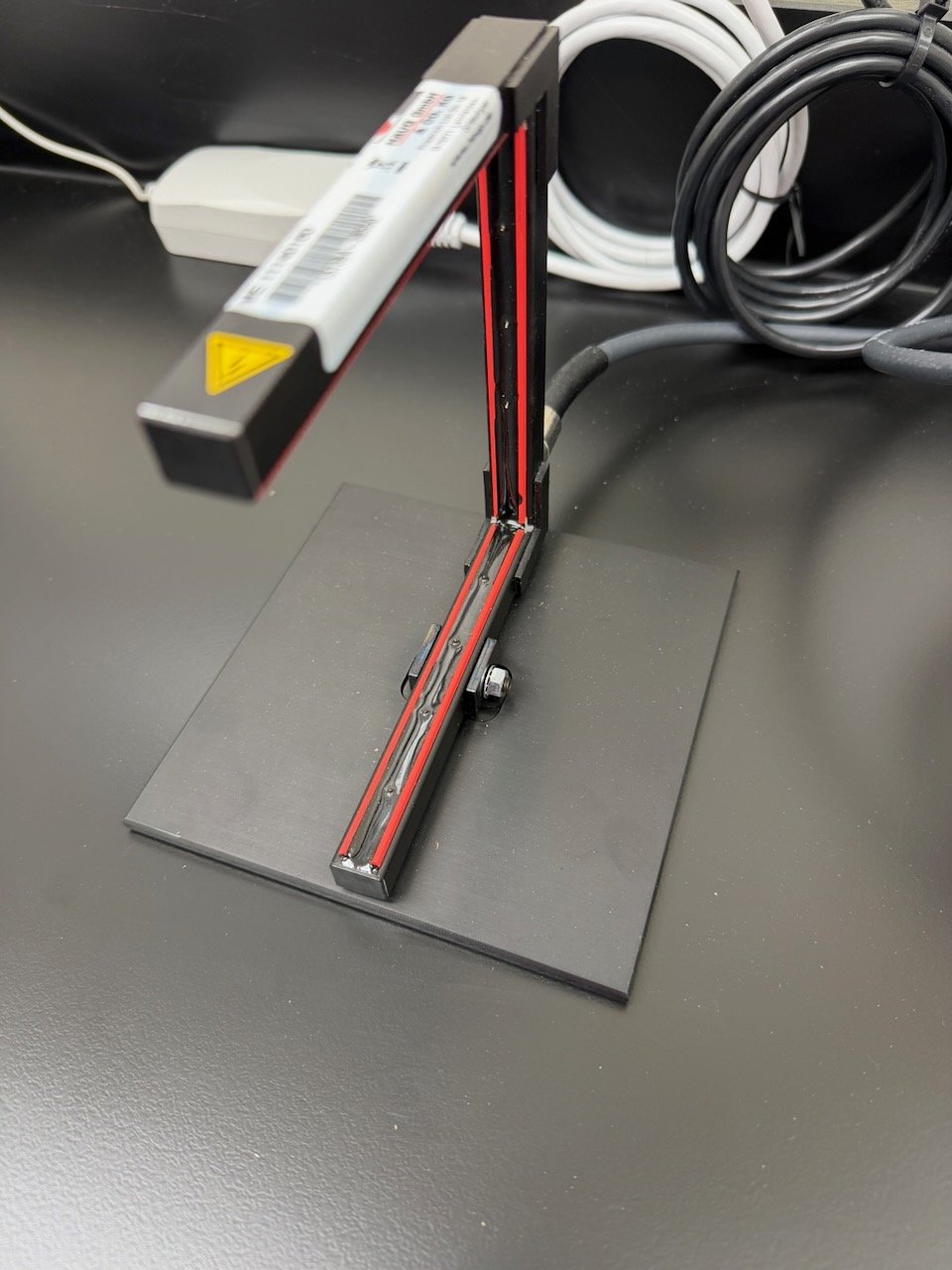
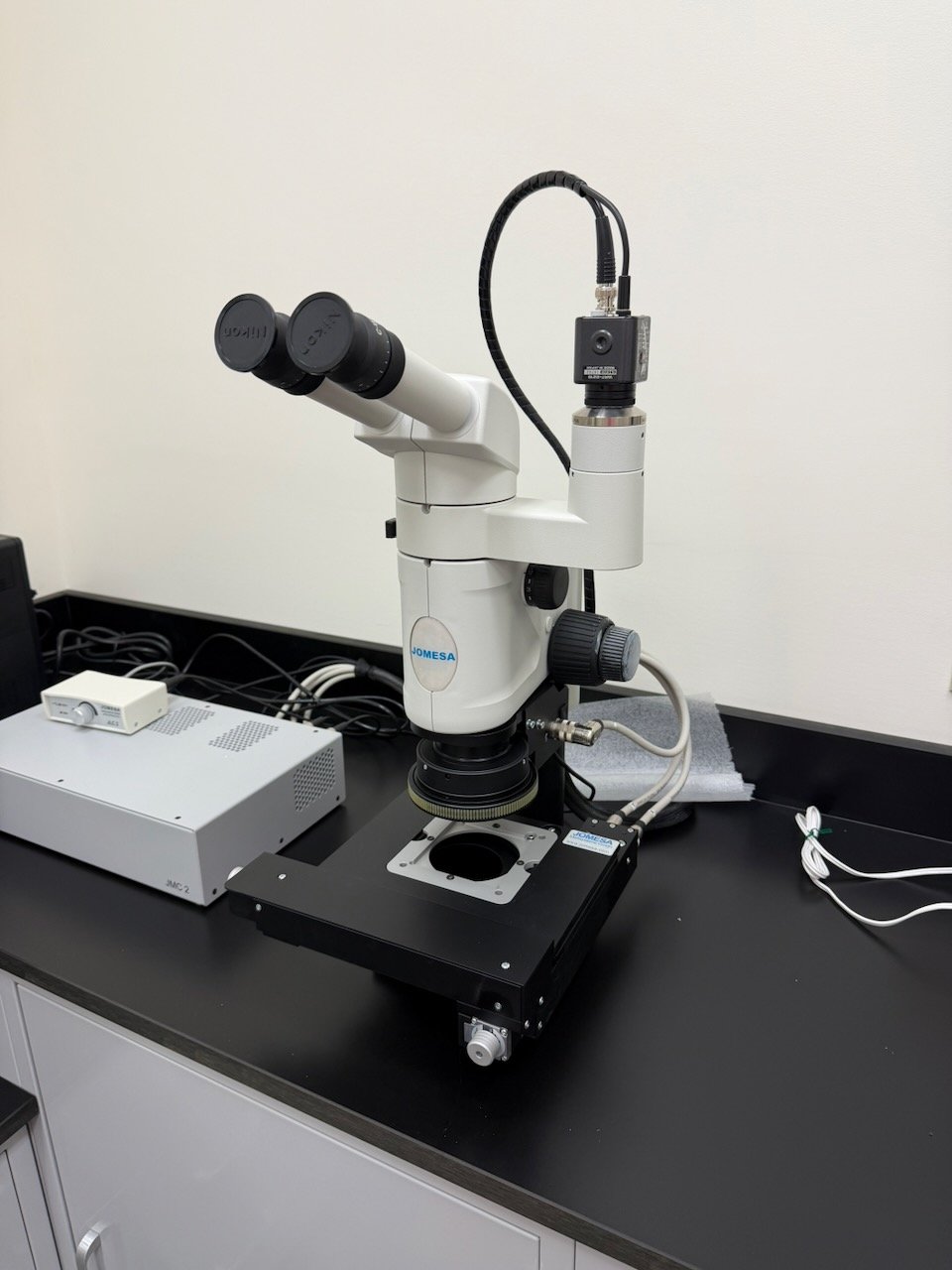
Our lab is equipped with an automated particulate microscope system from JOMESA USA — a recognized leader in automated technical-cleanliness analysis. The system optically scans the analysis filter from each extracted sample, then automatically detects, counts, and measures every particle, classifying it by size and by type — including reflective (metallic) versus non-metallic particles and fibers — and generates standardized ISO 16232 / VDA 19 reports.
How We Test
Every analysis follows the ISO 16232 workflow, start to finish, in our facility.
Extraction
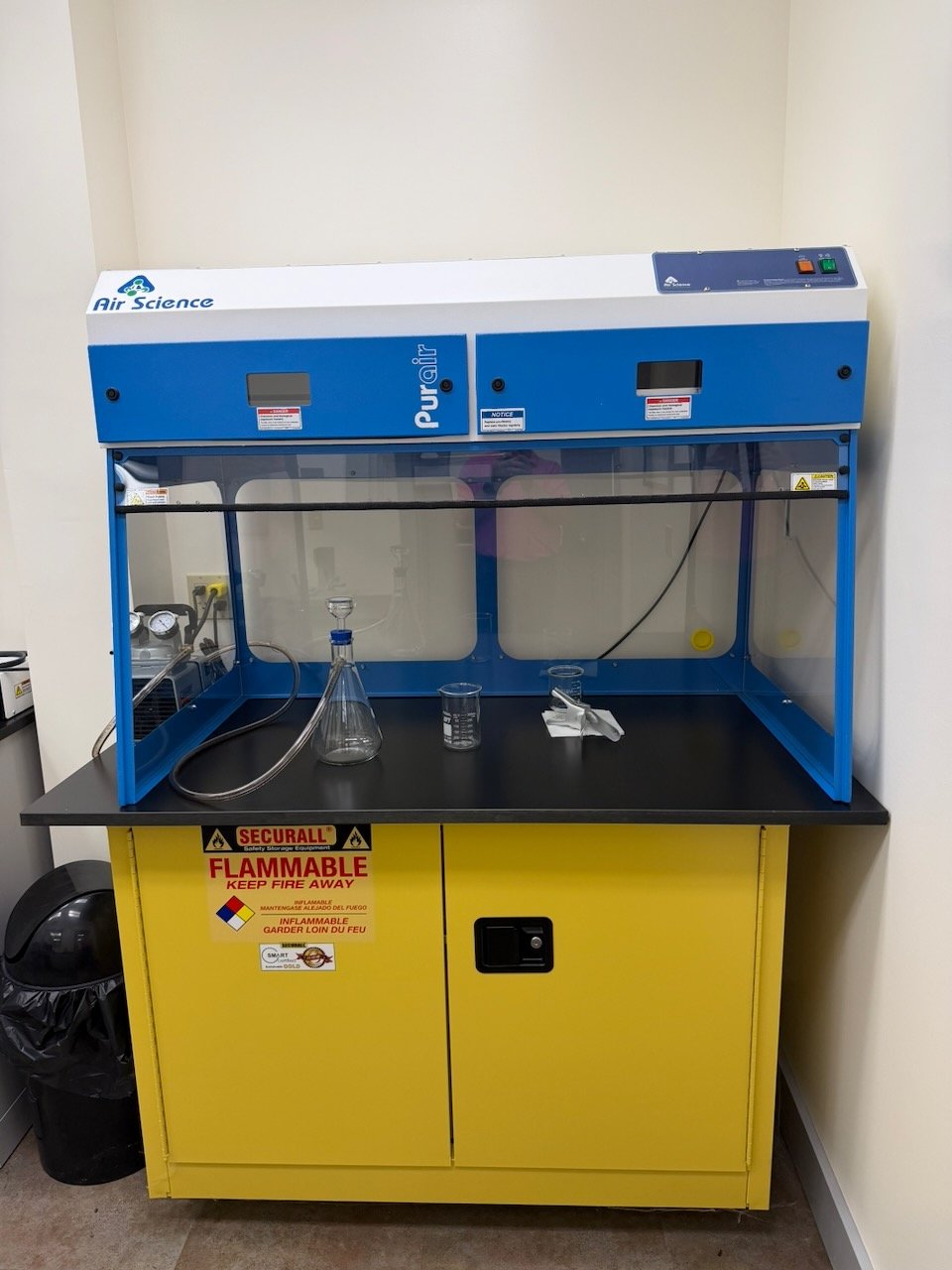
Particles are extracted from the component’s functional surfaces by a controlled rinsing method.
Filtration
The extraction fluid is drawn through an analysis filter membrane that captures the particulate.
Automated Analysis
Our JOMESA microscope system scans the membrane, then sizes, counts, and classifies every particle.
Reporting
Results are documented as an ISO 16232 / VDA 19 report with the component’s cleanliness code.
Our Cleanliness Testing Lab
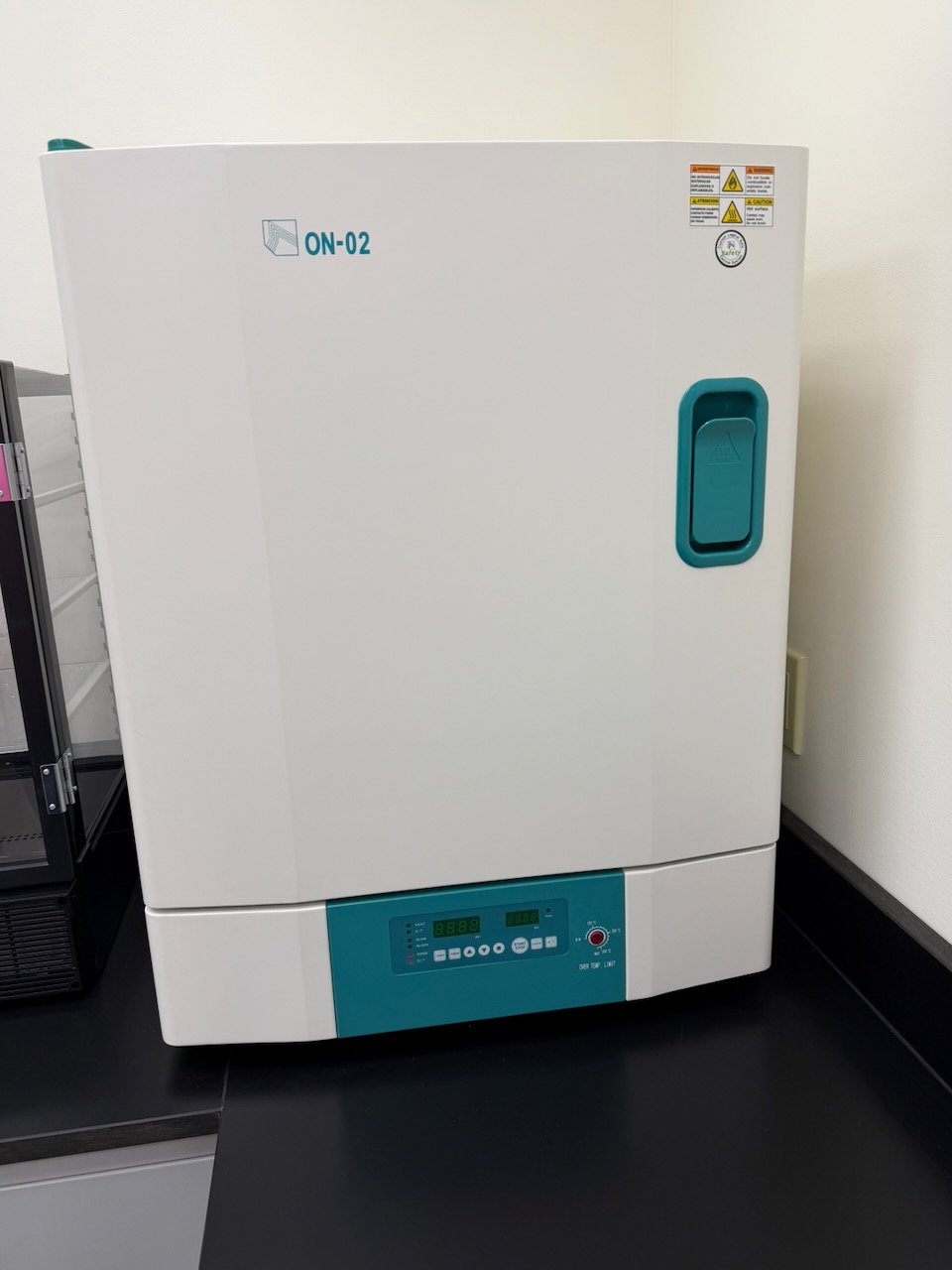
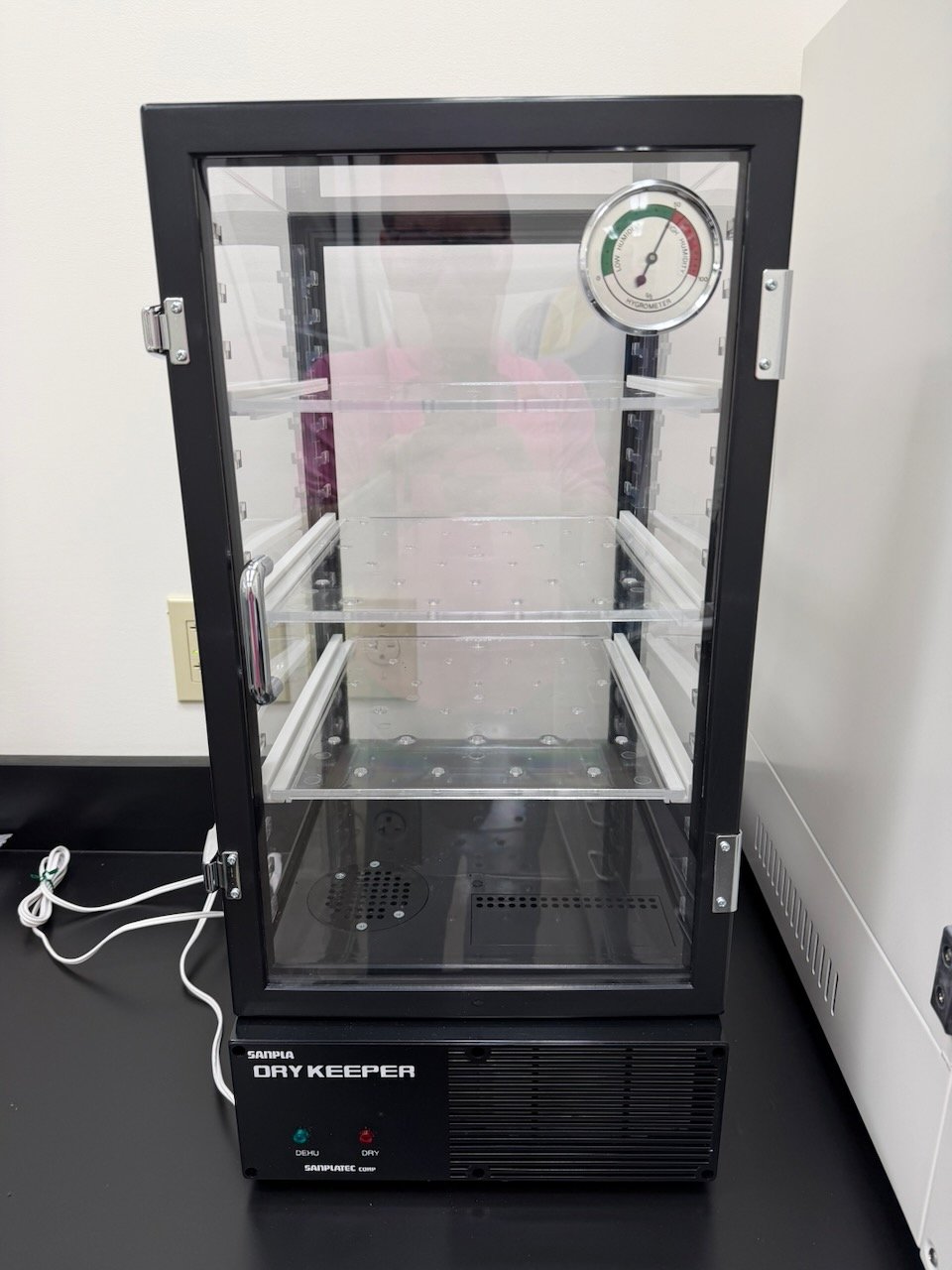
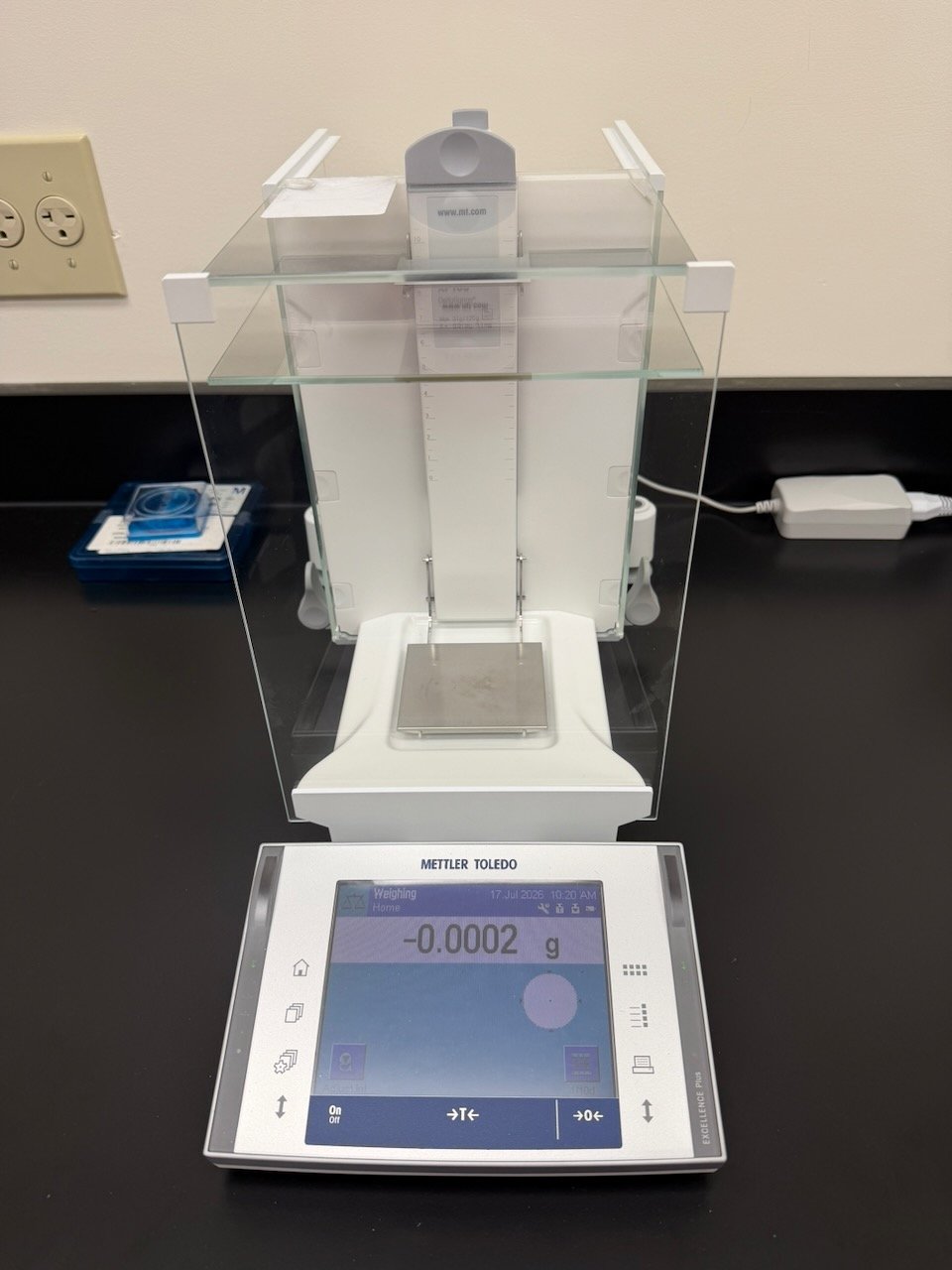
Each step of an ISO 16232 analysis runs on dedicated equipment in our lab — from sample extraction through final microscope analysis.
What We Measure & Report
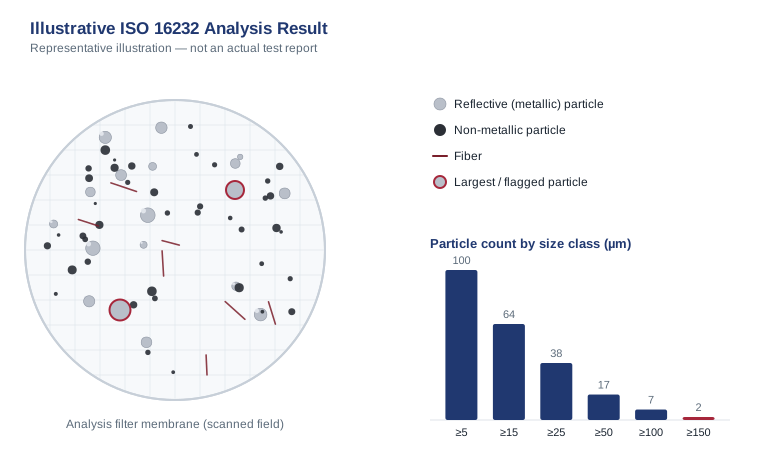
For each sample we report the particle-size distribution by ISO 16232 size class, total particle counts, the size of the largest particle, a breakdown of reflective (metallic) versus non-metallic particles, and fiber counts — expressed as the component cleanliness code your specification calls out.
Because testing runs on the same site where parts are molded and assembled, we can validate cleanliness early and shorten the feedback loop.
Well-Suited For
Automotive clean-side air-intake components and other parts where residual particulate can compromise a downstream system. Components we have tested to ISO 16232 include turbo ducts and other clean-side parts.